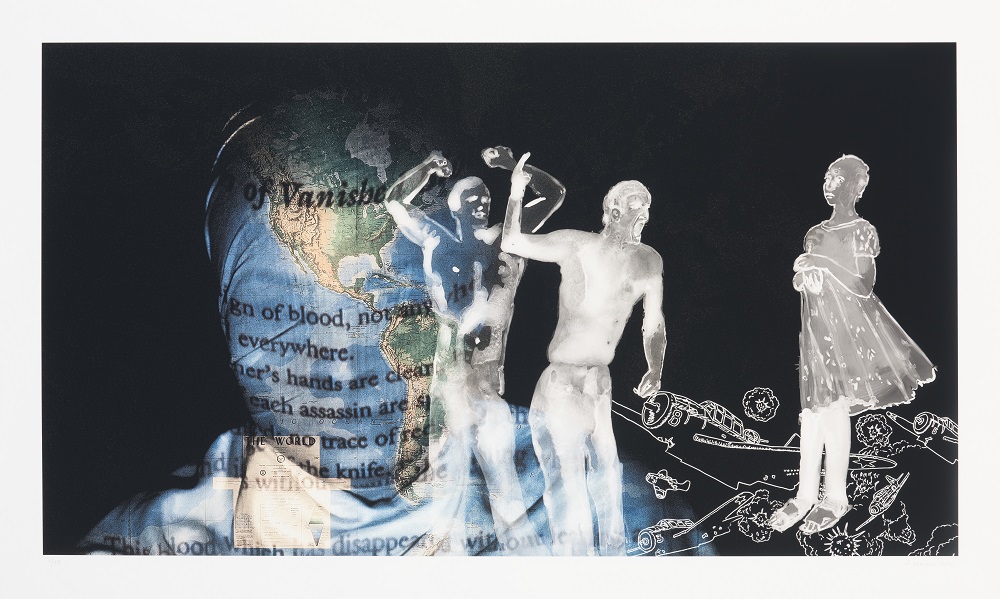
Nalini Malani (Born 1946 in Karachi, Pakistan) is one of the most prominent artists of India’s postpartition generation who is engaged with the reexamination of tradition, cultural nationalism, and globalization. Initially trained as a painter in the Sir J. J. School of Art in Bombay, Malani became more invested in photography and filmmaking in the 1960s and ’70s, creating her first interactive film sculptures and immersive theatrical environments that often embody a phantasmagorical quality. Her audiovisual installations are arresting works of art that build on shadow plays, overlapping narrative, text, and music. Malani’s works highlight the traumas of partition and religious fanaticism, as well as issues related to feminism, identity, and violence.
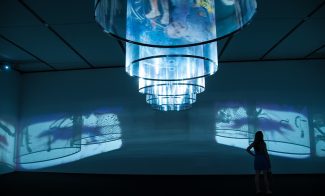
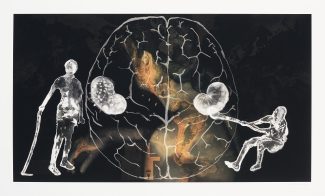
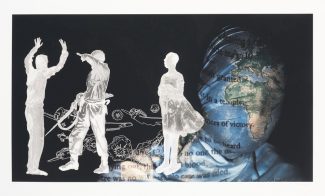
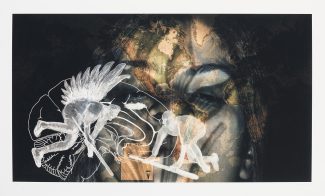
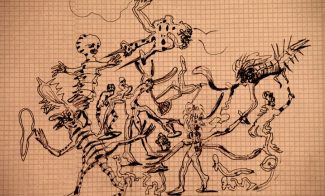
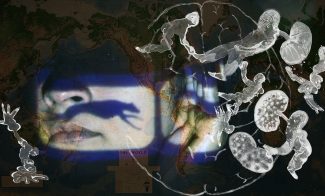
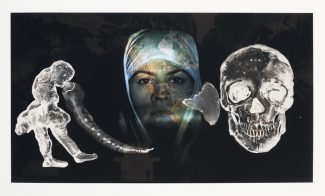
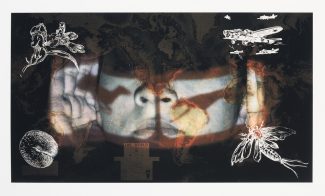
Echoing the artist’s early training and expert draftsmanship, the imagery of her prints in the ICA Collection is drawn from the artist’s immersive multimedia work, In Search of Vanished Blood (2012), shown at the ICA in 2016 in an exhibition of the same title. The primary subject of the prints is the Trojan prophetess Cassandra from Greek mythology, who was given the gift of foretelling true prophecies by the god Apollo while hesimultaneously cursed her after she had spurned him, ensuring that she would never be believed. Most notably, she prophesized the fall of Troy, but, succumbing to her curse, the Trojans deemed her insane and ignored her warnings, after which Troy was sacked. Instead of focusing on the Classical tale of Cassandra’s story, Malani takes inspiration from the feminist retelling of her story by the East German writer and critic Christa Wolf in her novel Cassandra (1984), drawing parallels between Cassandra’s experiences and her own as a woman in East Germany during the Cold War. Like In Search of Vanished Blood, the prints weave together mythology, historical events, and literary references to address female suffering during and after the 1947 Partition of India. Malani hand draws directly onto the prints in ghostly white ink, analogous to the mesmerizing moving images in the original installation and compiles a range of complex narratives bringing together the past and present.